

How to Use Garden Containers Indoors and Out — The Complete Guide
Whether you have a sprawling backyard or a compact apartment balcony, garden containers might be the most versatile tool in any gardener’s kit. They let you grow herbs in the kitchen, protect your favourite outdoor plants through a harsh winter, add instant colour to a patio, and move everything around without disturbing a single root.
This guide covers everything you need to know about using garden containers effectively indoors and out. Including which plants work best, which containers to choose, and how to make your setup work year-round.
Why Garden Containers Are Worth Taking Seriously
Container gardening has surged in popularity in recent years, and it’s easy to see why. Gardening in containers keeps things flexible in a way that in-ground planting simply can’t match. You control the soil, the drainage, the position, and the microclimate around every plant. If something isn’t thriving, you move it. Or if a frost is coming, you bring it inside. If you want to redesign your patio layout for a party, you rearrange everything in twenty minutes.
Container gardening and patio culture continue to surge, as gardeners look for flexibility and creativity in smaller spaces. And with the right containers, you’re not just storing plants — you’re designing your living space, indoors and out.
Bringing Outdoor Plants Inside for Winter
This is one of the most practical uses of garden containers, and one that most gardeners discover after losing a beloved plant to the first hard frost.
Azaleas, chrysanthemums, tulips, and many other flowering plants that thrive outdoors through spring and summer struggle to survive a harsh winter in most US climates. Rather than watching them die back and hoping they return, bringing them inside in their containers extends their life, protects your investment in them, and means they’re ready to go straight back outside the moment temperatures allow in spring.
The containers needed for this purpose tend to be larger and more decorative than simple windowsill pots. That’s exactly what makes them work so well indoors. A beautiful azalea in a terracotta planter or a pot of flowering tulips in a ceramic container can genuinely enhance a living room, hallway, or dining space during the winter months. Place them near a window for adequate light and they’ll reward you by staying healthy until it’s time to head back outside.
Imagine having fresh blooms inside the house during Christmas — not cut flowers that last a week, but living plants that continue growing throughout the season. That’s the real payoff of bringing container plants indoors.
What to bring in and when:
- Azaleas and mums — bring inside before the first frost
- Tulips and other bulbs — dig up in autumn if not already in containers, pot them up and store in a cool indoor space (a garage or basement works well)
- Tropical plants — any plant that’s not cold-hardy in your zone needs to come in before temperatures drop below 50°F consistently
- Herb plants — bring indoors at the end of summer for year-round fresh herbs
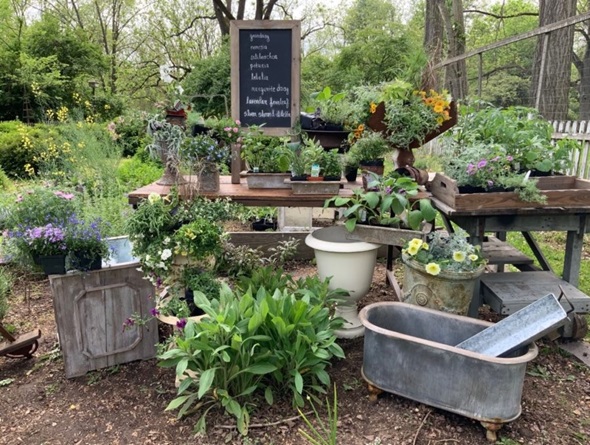
Fresh Herbs in the Kitchen — The Most Used Container Garden
A kitchen herb garden in containers is one of the most practical things a home cook can set up. Having basil, rosemary, thyme, mint, chives, and parsley within arm’s reach while cooking changes how you cook — you use more fresh herbs, you waste less, and the flavour difference compared to dried herbs is significant.
Popular choices include basil, mint, and rosemary. Growing edible plants indoors can be incredibly rewarding, providing you with fresh ingredients right in your kitchen.
The key is choosing the right containers and the right location. Most kitchen herbs need 4–6 hours of direct sunlight per day, which means a south or west-facing windowsill is ideal. A deep kitchen window ledge can hold four to five individual herb pots side by side — enough to cover the herbs you use most regularly.
Best herbs for kitchen containers:
- Basil — thrives in warmth and direct sun. Keep it away from cold drafts. Pinch flowers off as they appear to keep the leaves coming.
- Rosemary — drought tolerant and easy to maintain. Needs good drainage — don’t let it sit in water.
- Thyme — low maintenance, compact, and happy in a sunny windowsill. Use regularly and it stays bushy.
- Mint — incredibly productive but spreads aggressively. Always grow mint in its own container — never mixed with other herbs or it will take over.
- Chives — one of the easiest herbs to grow indoors. Snip from the top and it regrows continuously.
- Parsley — slower growing but reliable. Needs slightly more water than the Mediterranean herbs above.
Beyond cooking, herbs in containers around the house work as natural air fresheners. A pot of lavender on a side table, a rosemary plant near the front door, or a bunch of mint in the bathroom all contribute subtle fragrance without the chemicals of synthetic air fresheners.
Choosing the Right Container for Each Plant
The container you choose matters more than most gardeners realise. Get the sizing, material, and drainage right and plants thrive. Get it wrong and even the best soil and most attentive watering won’t compensate.
Size matters more than aesthetics
A good big one will beat a good small one and this applies to containers growing plants outdoors. Big containers offer more control over watering and feeding, they bring plants closer to your senses and can be architectural in their own right.
A container that’s too small restricts root growth and dries out too quickly. As a general rule, choose a container that’s at least 2 inches wider in diameter than the plant’s current root ball — and for plants you expect to grow significantly, go larger.
Container materials compared
Some popular container options include terracotta pots, which are classic and provide good drainage; plastic pots, which are lightweight and inexpensive but can overheat; and wooden planters, which add rustic charm but need to be treated to prevent rot.
Each material has its place:
Terracotta — the classic choice for good reason. Porous walls allow air and moisture to pass through, which is excellent for plants that prefer drier conditions (herbs, succulents, Mediterranean plants). The downside is that they dry out faster and crack in freezing temperatures, so bring them inside over winter or choose frost-resistant versions.
Ceramic and glazed pots — beautiful and available in every style, they retain moisture better than terracotta and work well for moisture-loving plants. Heavier than plastic but hold their temperature more evenly, which is better for roots.
Plastic — lightweight, affordable, and available in large sizes that would be prohibitively expensive in other materials. Modern UV-stabilised plastic holds up well outdoors for several seasons. The risk is overheating in direct summer sun, which can cook roots — choose lighter colours for outdoor use in hot climates.
Fabric grow bags — increasingly popular and genuinely excellent for certain plants. The porous fabric allows air pruning of roots, which prevents circling and promotes a healthier root system. Particularly good for tomatoes, peppers, and potatoes. They fold flat for storage in winter.
Wooden planters — the most attractive option for large patio and deck setups. Cedar and redwood are naturally rot-resistant and can last for years without treatment. Pine needs to be treated or lined with landscape fabric to prevent rot.
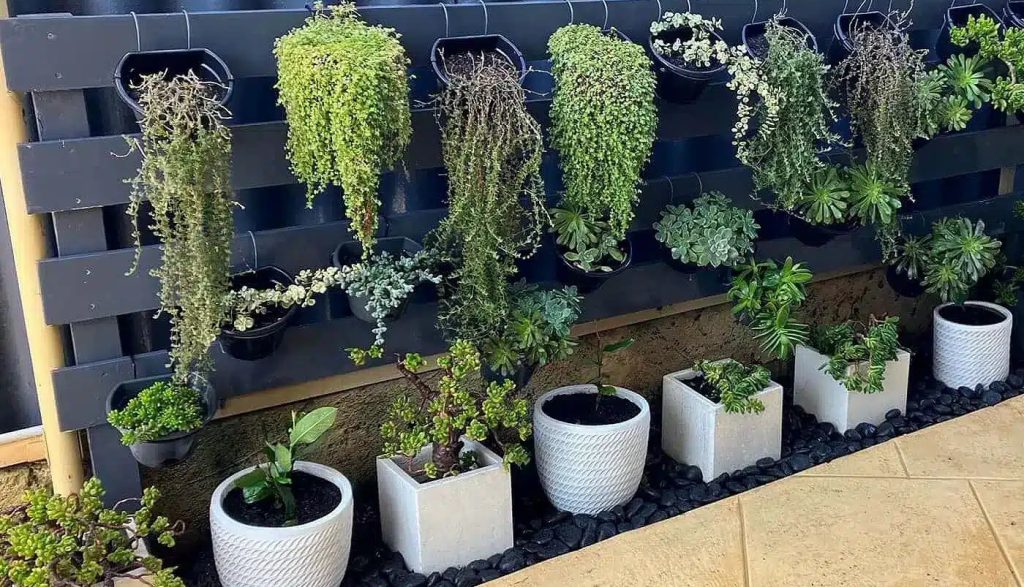
Drainage is non-negotiable
Every container must have drainage holes. Without them, water pools at the bottom of the pot, roots sit in saturated soil, and root rot follows. If you fall in love with a decorative pot that has no drainage hole, use it as a cachepot — place a functional pot with drainage inside it, and lift the inner pot out to water.
Use matching saucers so you can also water from underneath. It can be hard to get enough water in from the top. Bottom watering is particularly useful for herbs and plants that dislike wet foliage.
Garden Containers on the Deck or Patio
The patio or deck is where containers really come into their own. A well-planted container display can transform a bare concrete patio into a lush outdoor room — and the flexibility to rearrange, replace, and refresh means your patio can look different every season.
Patio culture involves artfully and strategically choosing the best container garden combinations for your home.
The smartest investment for patio containers is a set of wheeled plant caddies or containers with built-in casters. Being able to roll plants in and out of direct sun, position them to face the best angle for a garden party, or move them inside quickly when a late frost threatens makes container gardening dramatically easier.
The tulips that brighten your living room through winter can roll straight back outside in spring in the same pot they wintered in. The potted lemon tree that spends summer on the deck rolls into the garage in November. The large planters of annual colour that define your entertaining area get swapped out for winter-hardy evergreens in October. Its same containers, different plants.
What grows well in patio containers
Some plants that do well in containers include herbs like mint, basil, rosemary, and thyme; flowers like pansies, petunias, and marigolds; vegetables like lettuce, tomatoes, and peppers in the right-sized containers; and succulents for low-maintenance dry climates.
For a cohesive patio display, think in terms of a “thriller, filler, spiller” combination in larger containers:
- Thriller — the tall, dramatic focal plant (ornamental grass, a standard rose, a large dahlia)
- Filler — medium-height plants that fill out the container (petunias, begonias, herbs)
- Spiller — trailing plants that cascade over the container edge (sweet potato vine, trailing lobelia, ivy)
This combination creates instant visual interest and fills a container quickly for a full, lush look from the moment you plant it.
Low-maintenance container trends for 2026
One of the clearest shifts for 2026 is toward container gardens that feel easier to live with all season — or all year — long. One-plant pots are having a moment, and for good reason. A single, strong specimen planted in a well-proportioned container can be just as impactful as a mixed arrangement, with far less maintenance. Plants like boxwood, monstera, and ferns bring structure and presence to pots, and once placed in the right light and watered consistently, they largely take care of themselves.
Soil, Watering, and Feeding — Getting the Basics Right
Use the right potting mix
Never use garden soil in containers — it compacts, drains poorly, and can introduce pests and disease. Always use a quality potting mix formulated for containers. For herbs and Mediterranean plants, add extra perlite or coarse sand to improve drainage. For moisture-loving tropical plants, a peat-based mix with added water-retaining crystals works well.
Watering containers correctly
Containers dry out far faster than in-ground soil, particularly in summer and in terracotta pots. Check containers daily in warm weather by pushing your finger an inch into the soil. If it feels dry, water thoroughly until it runs out of the drainage holes.
Think about the plant leaves. Fleshy leafy growth will need more water as they transpire. Lush, leafy plants in large containers in summer sun may need watering twice a day during heat waves. Succulents and cacti in well-draining terracotta can go a week or more between waterings.
Self-watering containers with built-in reservoirs are worth considering for anyone who travels or tends to forget to water — they maintain consistent moisture levels and significantly reduce the risk of plants drying out between waterings.
Feeding container plants
Because containers are watered frequently, nutrients wash out of the potting mix much faster than they would from garden soil. Most container plants benefit from a liquid fertiliser applied every two weeks through the growing season. For flowering plants, use a potassium-rich feed. For foliage plants and herbs, a balanced all-purpose fertiliser is sufficient.
Indoor Container Garden Ideas for Every Room
Container plants aren’t just for kitchens and windowsills. In 2026, indoor container gardens are redefining home décor with a lush, design-forward twist — curated plant corners, sculptural pots, and layered greenery that adds life, texture, and calm to any room.
Entryway — a tall architectural plant like a fiddle-leaf fig or a snake plant in a statement planter creates a dramatic first impression. Pair with a smaller pot of trailing ivy for contrast.
Living room — group three plants of varying heights together in complementary pots for a curated display. Odd numbers work better visually than even numbers. Mix textures — a smooth ceramic pot next to a textured stone planter next to a woven basket.
Bedroom — choose low-light plants like peace lilies, pothos, or snake plants that thrive without direct sun. These also improve air quality, which is a bonus in a sleeping space.
Bathroom — high humidity makes bathrooms surprisingly good for tropical plants. Ferns, orchids, and air plants all thrive in the moist, warm environment of a regularly used bathroom.
Home office — plants in the workspace reduce stress and improve focus. A potted succulent garden on the desk or a trailing pothos on a shelf adds greenery without requiring significant maintenance.
Moving Plants Between Indoors and Outdoors — The Practical Guide
The best container gardens are ones that move with the seasons. Here’s a simple seasonal schedule to follow:
Spring (March–May) — once night temperatures are consistently above 50°F, begin moving cold-sensitive plants back outside. Do this gradually over one to two weeks, placing them in a sheltered outdoor spot for a few hours per day before leaving them out overnight. This “hardening off” process prevents shock from the sudden transition.
Summer (June–August) — most plants are at their happiest outdoors in warmth and full sun. Water daily, feed every two weeks, and deadhead flowering plants regularly to keep them blooming.
Autumn (September–November) — bring tropical plants, tender perennials, and cold-sensitive herbs inside before the first frost. Clean the containers before bringing them in to avoid introducing pests indoors.
Winter (December–February) — maintain indoor plants in the brightest available light. Water less frequently than in summer — most plants slow their growth in reduced winter light and cooler temperatures. Resist the urge to overfeed.
The Right Container Setup for Every Gardener
Whether you’re growing a handful of kitchen herbs, overwintering prize-winning azaleas, or managing a full patio display that moves in and out with the seasons, the principle is the same: the right containers, in the right sizes, for the right plants make everything easier.
Start with the plants you already have and the space you’re working with. A single herb pot on the kitchen windowsill is a container garden. A rolling display of seasonal colour on the back deck is a container garden. A collection of indoor tropical plants that move outside each summer is a container garden. All of them can be beautiful, productive, and manageable — with the right containers to support them.
Related Reading on Living Out The Back
- Best Garden Tools of 2026
- How to Design a Pergola: The Ultimate Guide
- Best Patio Furniture of 2026
- Elevated Garden Beds: Raising the Bar on Backyard Living
- Backyard Gardening Tips & Ideas