


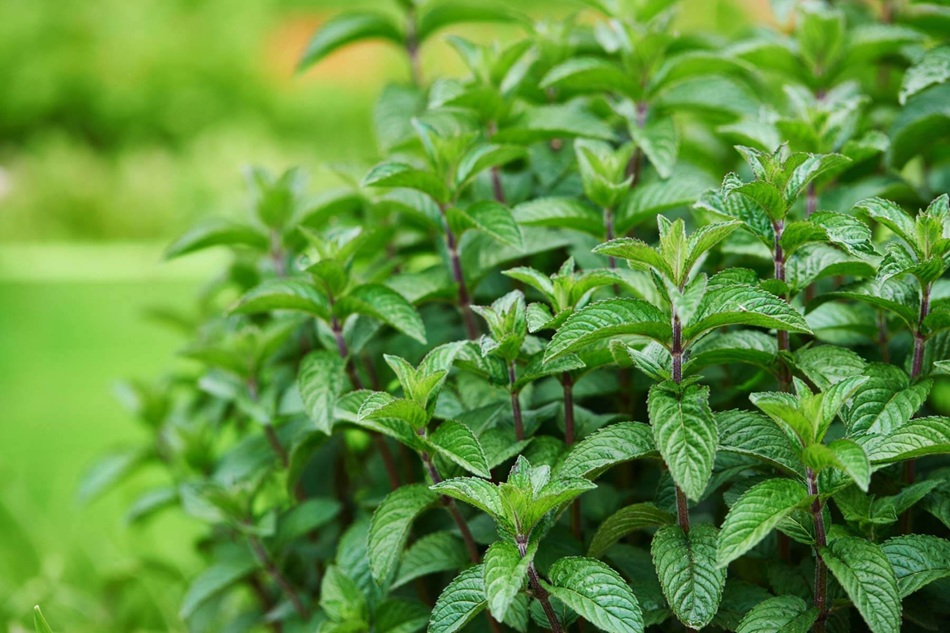
Mint is one of the easiest and most rewarding herbs you can grow at home. Whether you enjoy fresh mint in tea, mojitos, desserts, salads, or simply want a fragrant addition to your garden, this fast-growing herb provides a continual harvest with surprisingly little effort. Growing mint is a very easy and versatile herb to grow.
However, while mint is often described as a beginner-friendly plant, many gardeners discover there is one challenge that comes with growing it: once established, mint has a habit of taking over everything around it.
Understanding how mint grows and how to manage it properly can make the difference between having a productive herb garden and finding mint popping up where it was never invited.
Understanding Mint
Mint belongs to the Mentha genus, which contains a wide variety of species and hybrids. There is ongoing debate among botanists regarding exactly how many mint species exist because many varieties naturally cross-pollinate and create hybrids.
Over centuries of cultivation, gardeners have produced countless forms of mint, each with unique flavours and aromas.
Popular varieties include:
Peppermint – strong, cool flavour commonly used in teas and desserts
Spearmint – sweeter and milder, often used in cooking
Chocolate Mint – subtle chocolate aroma mixed with mint notes
Apple Mint – softer flavour with fuzzy leaves
Pineapple Mint – decorative variegated leaves with fruity notes
Lemon Mint – citrus undertones ideal for drinks and salads
Although different varieties may have slightly different preferences, most can be grown using very similar methods.
Common Characteristics of Mint
Mint Is a Perennial Plant
One of the biggest advantages of mint is that it is a perennial herb. Unlike annual plants that need replanting each year, mint returns season after season.
In many Australian climates, particularly warmer regions such as Queensland, mint can continue growing for most of the year.
In colder areas, growth slows significantly during winter and may die back before returning in spring.
Most mint varieties grow well in climate ranges equivalent to hardiness zones 3–8, although local conditions can affect performance.
Benefits of perennial mint include:
- Fresh herbs available most of the year
- Reduced planting effort
- Continuous harvesting
- Strong root systems once established
Mint Spreads Quickly
This is where many new gardeners get caught out.
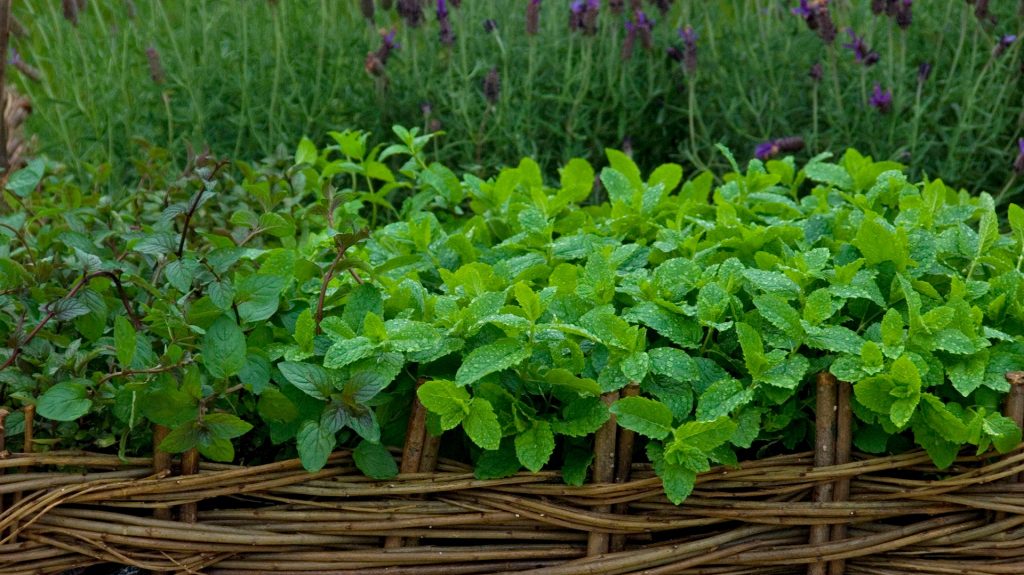
Unlike plants that grow mainly upward, mint expands sideways using underground stems known as stolons or runners. These roots spread beneath the soil and send up new shoots nearby.
If left unrestricted, mint can rapidly invade:
- Vegetable gardens
- Flower beds
- Lawn areas
- Other herb plants
Many gardeners joke that they spend more time controlling mint than growing it.
For this reason, planting mint directly into open garden beds is usually not recommended unless you install barriers.

What Growing Conditions Does Mint Prefer?
Mint is fairly forgiving, but it thrives when given the right environment.
Sunlight
Mint generally prefers:
- Partial shade
- Morning sun with afternoon protection
- Filtered light
While it can survive in full sun, particularly in cooler regions, intense Australian summer heat can stress plants and dry out soil quickly.
Soil
Mint performs best in soil that is:
- Rich in organic matter
- Moist but not waterlogged
- Well-draining
- Slightly acidic to neutral
Ideal soil pH: 6.0–7.5
Adding compost before planting helps improve both moisture retention and nutrient availability.
Water Requirements
Mint enjoys consistently moist soil.
Signs your mint may need more water include:
- Wilting leaves
- Yellowing foliage
- Slower growth
- Dry soil several centimetres below the surface
Regular watering is important, particularly during hot summer periods.
Because frequent watering can wash nutrients from soil, occasional applications of a balanced liquid fertiliser can help maintain vigorous growth.
The Best Ways to Grow Mint
Option 1: Grow Mint in the Ground Using Barriers
If you want mint growing outdoors permanently, consider restricting its root spread.
One simple approach is:
1. Place a large container into the ground
2. Leave several centimetres above soil level
3. Plant mint inside the container
This creates a physical barrier that limits underground runners from escaping.
Containers around 35–40cm deep generally provide enough room for healthy growth.
Advantages:
- Natural outdoor growth
- Reduced spread
- Minimal maintenance
Disadvantages:
- Harder to move if weather conditions change
- Roots may eventually escape if barriers are inadequate
Option 2: Grow Mint in Containers
For many home gardeners, container growing is the easiest and most effective option.
Pots offer several benefits:
- Prevent aggressive spreading
- Easier watering management
- Portable during extreme weather
- Ideal for patios, balconies, and small spaces
Choose a pot with:
- Good drainage holes
- At least 30cm diameter
- Quality potting mix
Position containers where they receive morning sunlight and afternoon shade.
Container-grown mint often performs exceptionally well in Australian conditions.
Growing Mint Indoors
Mint can also thrive indoors if provided with enough light.
Indoor growing tips:
- Place near a bright window
- Provide 4–6 hours of light daily
- Rotate pots regularly
- Avoid placing near heaters or air-conditioning vents
- Water when the surface begins drying out
Indoor plants tend to require slightly less water than outdoor plants.
Growing mint indoors also means you can continue harvesting during cooler months.
How to Harvest Mint Properly
Mint is incredibly easy to harvest.
Simply:
- Snip leaves as needed
- Cut stems just above leaf nodes
- Harvest regularly to encourage bushier growth
Frequent harvesting actually improves the plant by encouraging new shoots and preventing it from becoming leggy.
A useful rule is to avoid removing more than one-third of the plant at a time.
If at least a small section of stem remains above the soil, the plant will continue producing fresh growth.

Common Problems When Growing Mint
Although mint is relatively low maintenance, a few issues can occur:
Yellow leaves
- Usually caused by overwatering or poor drainage
Leggy growth
- Often caused by insufficient sunlight
Powdery mildew
- White dusty coating on leaves from poor airflow
Pests
- Aphids
- Spider mites
- Whiteflies
Most issues can be prevented with proper spacing, good airflow, and consistent watering.
Our Final Thoughts
Mint earns its reputation as one of the easiest herbs to grow because it grows quickly, produces abundant harvests, and adapts to many environments. The main challenge is not getting mint to grow — it is stopping it from taking over your garden.
Plant it in containers, provide moist soil and partial sunlight, and you’ll have a reliable supply of fresh mint for teas, cooking, garnishes, and countless recipes throughout the year.
Once established, a single mint plant can keep producing fresh leaves season after season with very little effort.